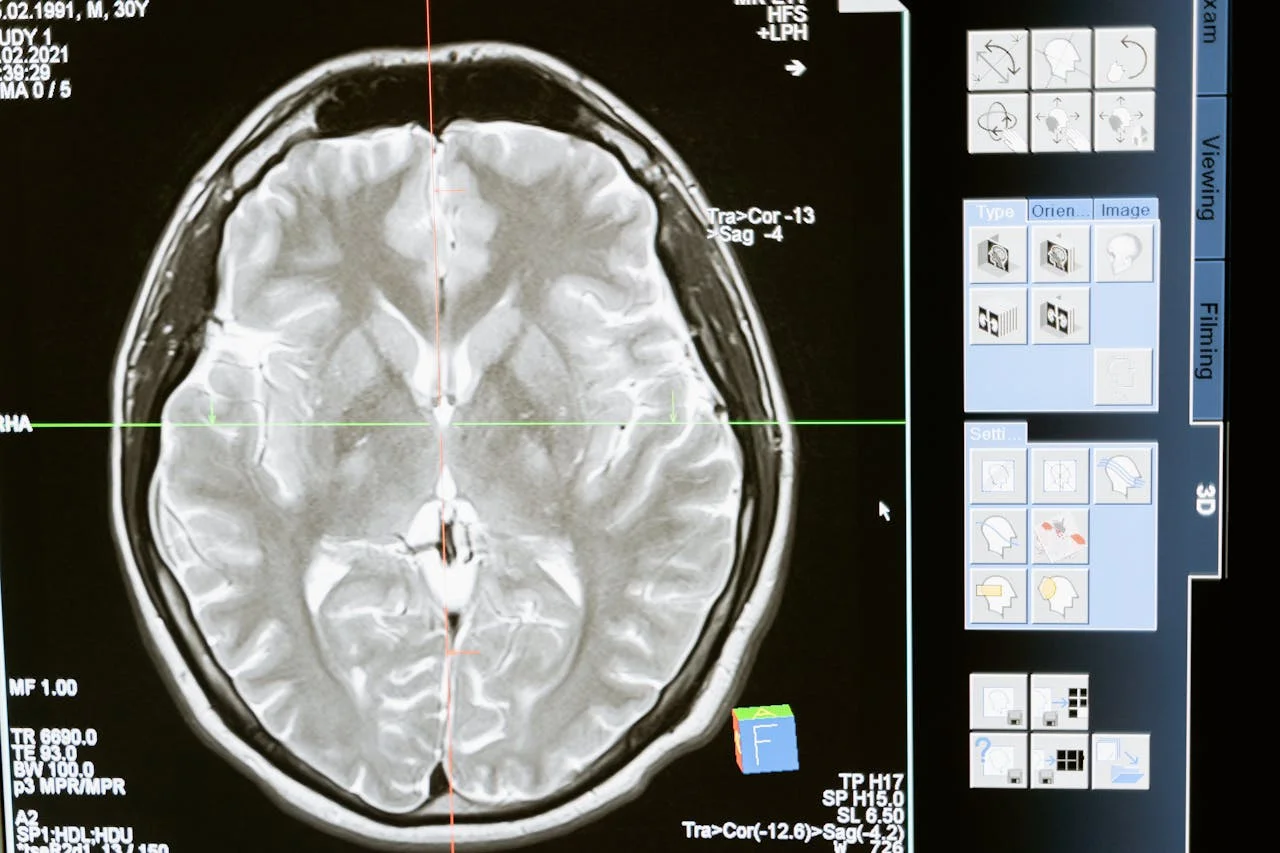
The field of neurology is on the brink of transformation as Hyperfine, Inc. (Nasdaq: HYPR) announces the enrollment of its first patients in the groundbreaking NEURO PMR (Neurological Evaluation in the Office with Portable MRI) study. This real-world research initiative aims to evaluate the clinical utility and patient experience of AI-powered portable MRI systems in neurology offices, addressing a critical gap in modern healthcare delivery. As the pioneer behind the first FDA-cleared portable MR brain imaging system—the Swoop® system—Hyperfine continues to redefine accessibility and affordability in advanced brain imaging.
Neuroimaging has long been an essential tool in diagnosing and managing neurological conditions. However, traditional high-field MRI systems are often inaccessible to private neurology practices due to their high costs, complex siting requirements, and the need for specialized personnel. On average, neurologists order 500 MRIs annually, yet most practices lack the infrastructure to perform these scans in-office. This limitation forces patients to travel to hospitals or imaging centers, creating delays and inconveniences that can hinder timely diagnosis and treatment.
The NEURO PMR study seeks to address this challenge by exploring how AI-powered portable MRI technology can integrate seamlessly into neurology offices. Conducted in collaboration with two leading private neurology practices—the DENT Neurologic Institute and Texas Neurology—this multi-center, prospective observational study will assess the performance of portable ultra-low-field MRI compared to conventional high-field MRI. The study focuses on pathology findings, clinical utility, and patient satisfaction, with a target enrollment of 100 patients and completion expected by year-end.
The Hyperfine Swoop® system represents a paradigm shift in medical imaging. Designed with simplicity and portability in mind, it eliminates many barriers associated with traditional MRI systems. Unlike high-field MRIs, which require costly infrastructure such as helium cooling and shielded rooms, the Swoop® system operates on a plug-and-play model, making it easy to deploy directly in exam rooms. Additionally, no specialized technologists are needed to operate the device, further reducing overhead costs for practices.
Dr. Laszlo Mechtler, Principal Investigator of the NEURO PMR study and Chief Medical Officer at the DENT Neurologic Institute, highlights the transformative potential of this technology:
“This study aims to identify the best uses for portable brain MRI technology in comprehensive neurology practices. By bringing advanced imaging capabilities into the office setting, we can make care more accessible, affordable, and convenient for both patients and providers.”
Furthermore, recent developments have enhanced the financial viability of adopting portable MRI systems. Beginning November 2024, IAC-accredited medical offices using portable MRI systems qualify for reimbursement through the Centers for Medicare and Medicaid Services (CMS). This change incentivizes smaller practices to adopt the technology, leveling the playing field and expanding access to underserved populations.
As healthcare increasingly shifts toward outpatient settings, patients expect convenience and continuity of care within a single location. Portable MRI systems align perfectly with this trend, enabling neurology practices to provide diagnostic and treatment services under one roof.
Dr. Gincy Samuel, site Principal Investigator at Texas Neurology, emphasizes the importance of this shift:
“Portable MR technology offers enhanced care and convenience, particularly for underserved, rural, and community centers that lack immediate access to imaging. It empowers neurology practices to deliver vital clinical functions without compromising quality or efficiency.”
For patients, the benefits are equally compelling. Portable MRI systems reduce wait times, eliminate the need for additional appointments, and create a more comfortable imaging experience. With advanced AI-powered image enhancement, the Swoop® system delivers high-quality scans comparable to those produced by traditional high-field MRIs.
The NEURO PMR study is a cornerstone of Hyperfine’s strategy to expand the adoption of portable MRI systems across neurology practices of all sizes. By generating robust real-world evidence, the study aims to demonstrate the clinical value and operational feasibility of integrating portable MRI into everyday practice workflows.
The implications extend beyond convenience. By decentralizing imaging capabilities, portable MRI systems have the potential to reduce healthcare costs significantly while improving patient outcomes. Practices can streamline operations, minimize referral delays, and enhance diagnostic accuracy—all of which contribute to better overall care.
The launch of the NEURO PMR study marks a pivotal moment in the evolution of neuroimaging. As Hyperfine partners with leading neurology practices to validate the efficacy of its AI-powered portable MRI technology, the company is paving the way for a future where advanced imaging is no longer confined to large hospitals or specialized centers.
By making brain imaging more accessible, affordable, and patient-centered, Hyperfine is not only addressing current gaps in neurology care but also setting new standards for innovation in healthcare delivery. As the study progresses, its findings could reshape how neurology practices operate, ultimately benefiting patients and providers alike.
In an era where technology continues to drive progress in medicine, the Hyperfine Swoop® system stands out as a beacon of hope for improved accessibility and equity in neuroimaging. Stay tuned for updates on the NEURO PMR study as it moves closer to unlocking the full potential of portable MRI technology in neurology offices worldwide.