
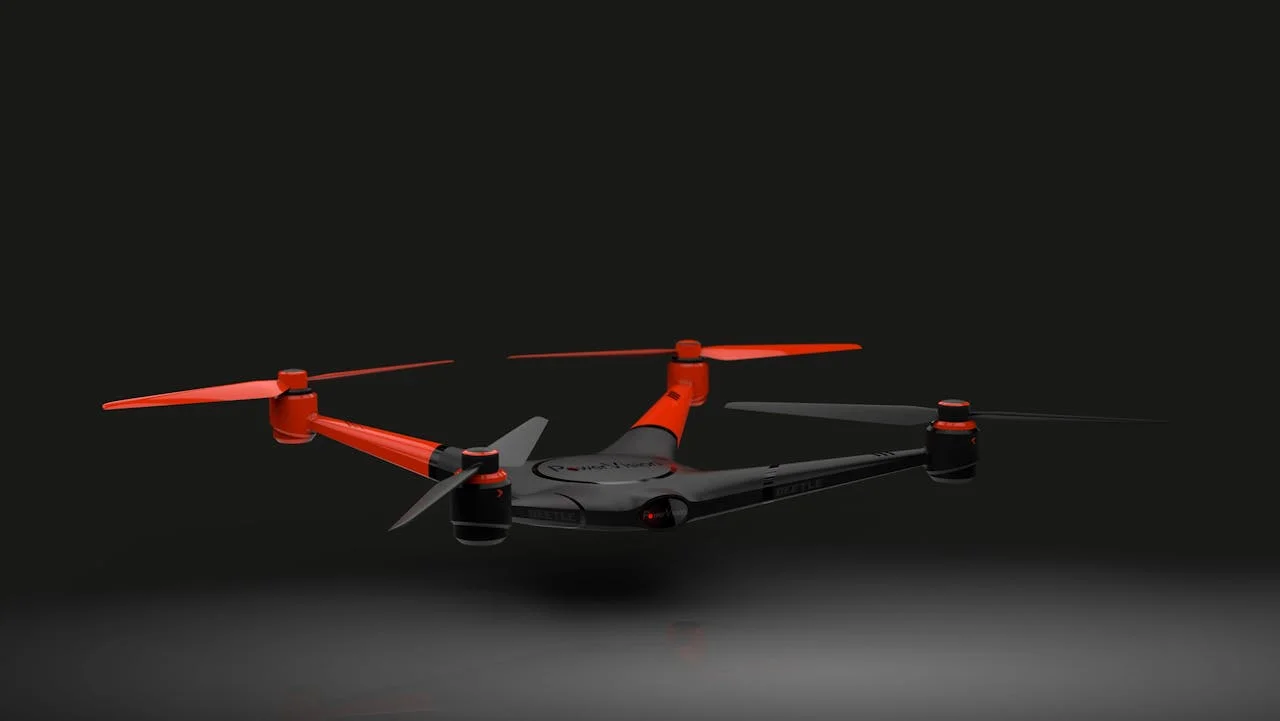
The North America drone market is poised for significant growth, with its value projected to surge from US$ 11.20 billion in 2024 to US$ 26.90 billion by 2033, reflecting a robust CAGR of 10.22% during the forecast period (2025-2033). This expansion is driven by a combination of factors, including increased commercial applications, favorable regulatory frameworks, defense investments, and growing demand across key sectors such as infrastructure, logistics, agriculture, and public safety.
North America has emerged as a global leader in the drone industry, thanks to its innovation-driven ecosystem, advanced technological infrastructure, and supportive regulatory environment. The United States plays a dominant role, leveraging its strong defense budget, cutting-edge R&D initiatives, and progressive policies guided by the Federal Aviation Administration (FAA). As of December 2023, the FAA reported over 1.47 million registered drones in the U.S., highlighting the widespread adoption of drones for both commercial and recreational purposes.
Canada is also gaining momentum, supported by increased investments and regulatory changes that encourage commercial and research applications. Together, these countries form a dynamic drone ecosystem characterized by strong public-private partnerships, government backing, and a highly skilled workforce.
One of the primary drivers of the North American drone market is the rapid expansion of commercial drone applications across various industries:
The emergence of Drone-as-a-Service (DaaS) is reshaping how businesses access and deploy drone technology. DaaS providers offer drones and skilled operators on a subscription or service basis, eliminating the need for companies to invest in expensive equipment, training, or licensing. This model is particularly beneficial for small and medium-sized enterprises (SMEs) in sectors like construction, mining, insurance, and agriculture. By enabling on-demand aerial data collection, DaaS enhances flexibility, accelerates decision-making, and improves operational efficiency.
Drones are increasingly being integrated into IoT networks and smart city infrastructures, transforming urban management and decision-making processes. In smart cities, drones facilitate real-time data transmission for traffic management, environmental monitoring, infrastructure assessment, and emergency response. This seamless integration with IoT systems enhances situational awareness, predictive maintenance, and automation, contributing to safer, more sustainable, and efficient urban environments.
Despite its promising trajectory, the North American drone market faces several challenges:
The FAA has played a pivotal role in fostering drone adoption by introducing favorable regulations, such as granting permissions for beyond visual line of sight (BVLOS) operations. These measures encourage broader commercial use and drive technological innovation. Major players like DJI, Intel Corporation, and Boeing Company are investing heavily in R&D to enhance drone capabilities, including extended battery life, AI-powered analytics, and improved imaging technologies.
Several prominent companies are shaping the North American drone landscape: