
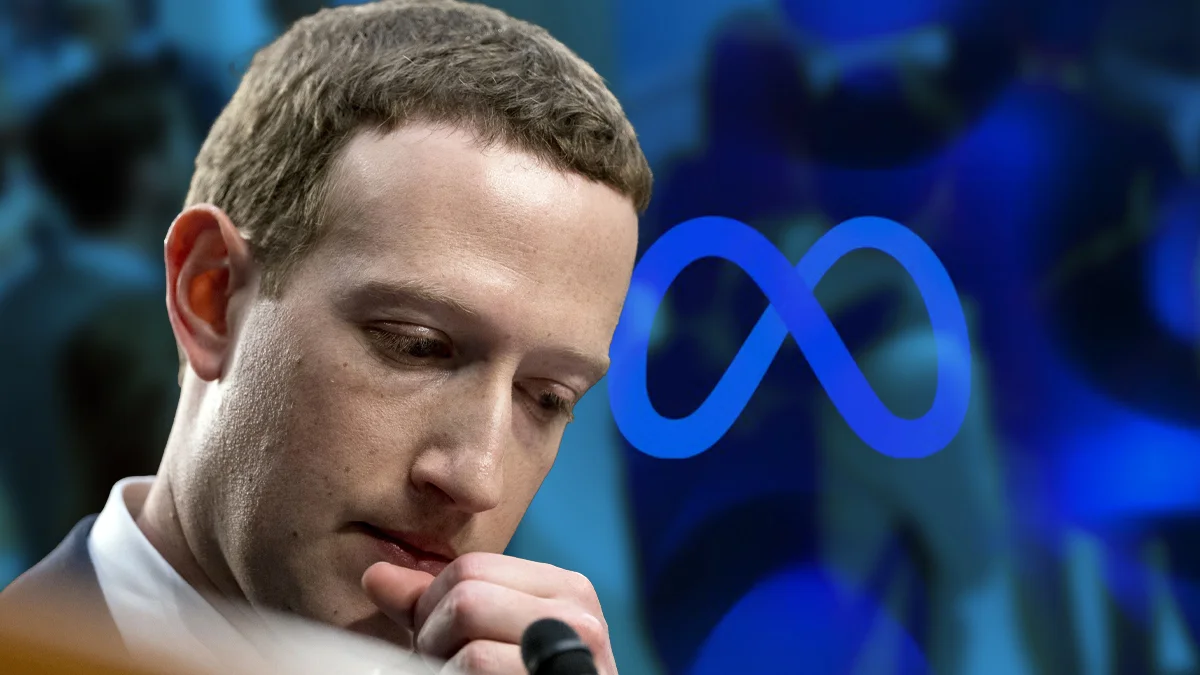
The fallout from the Cambridge Analytica scandal continues to haunt Meta Platforms, as a high-stakes trial unfolds in Delaware this week. At the center of the legal battle is Meta CEO Mark Zuckerberg, who is expected to testify as a key witness. Shareholders allege that he and other company leaders operated Facebook as an illegal enterprise, allowing users’ data to be exploited without consent. The case seeks to recoup approximately $8 billion in fines and costs paid by Meta following the 2018 scandal.
The lawsuit, filed by Meta shareholders, accuses Zuckerberg and other current and former executives of repeatedly breaching a 2012 agreement between Facebook and the Federal Trade Commission (FTC) to safeguard user data. The 2018 revelation that Cambridge Analytica, a now-defunct political consulting firm, had accessed data from millions of Facebook users without their knowledge or permission sparked global outrage. This data was allegedly used to influence the 2016 U.S. presidential election, which Donald Trump won.
Shareholders are demanding that Zuckerberg and other defendants reimburse Meta for over $8 billion spent on fines and related costs stemming from the scandal. This includes a record $5 billion penalty imposed by the FTC in 2019 for violating the 2012 agreement. Among the defendants named in the case are former Chief Operating Officer Sheryl Sandberg, venture capitalist and board member Marc Andreessen, and former board members Peter Thiel, co-founder of Palantir Technologies, and Reed Hastings, co-founder of Netflix. Both Zuckerberg and the other defendants have denied the allegations, dismissing them as “extreme claims” in court filings. Meta, which is not a defendant in the case, has also declined to comment.
The non-jury trial, set to last eight days in Wilmington, Delaware, will focus heavily on events and boardroom decisions from over a decade ago. Central to the case is how Facebook’s leadership implemented—or failed to implement—the 2012 FTC agreement designed to protect user privacy. While the trial revisits past policies, it comes at a time when Meta faces ongoing scrutiny over privacy concerns, particularly regarding its use of artificial intelligence models trained on user data. The company insists it has invested billions since 2019 to enhance its privacy safeguards.
Jason Kint, head of Digital Content Next, a trade group representing content providers, emphasized the significance of the trial. “This case will shed light on what the board knew—and when—about the misuse of user data,” he said. With over 3 billion daily active users across Meta’s platforms, including Facebook and Instagram, Kint raised a critical question: “Can we trust Mark Zuckerberg?”
The case represents one of the most challenging claims in corporate law: proving that directors utterly neglected their duty of oversight. Legal experts note that this appears to be the first trial of its kind. Plaintiffs, including individual investors and union pension funds like California’s State Teachers’ Retirement System, must demonstrate that Zuckerberg and Sandberg knowingly caused the company to violate privacy laws. While Delaware law shields directors and officers from liability for poor business decisions, it does not protect them from illegal actions, even if those actions were profitable.
In pretrial documents, shareholders argue that Facebook continued deceptive privacy practices after the 2012 agreement, under Zuckerberg’s direction. They claim the company prioritized profits over user protection. However, the defendants counter that Facebook established a dedicated team to oversee privacy compliance and hired an external firm to ensure adherence to regulations. They describe Facebook as a victim of Cambridge Analytica’s “studied deceit.”
Beyond the core privacy allegations, plaintiffs have also accused Zuckerberg of insider trading. They allege that he anticipated the Cambridge Analytica scandal would cause Meta’s stock price to plummet and used this knowledge to sell shares, netting at least $1 billion in profit. The defense disputes this claim, arguing that Zuckerberg followed a prearranged stock-trading plan designed to guard against insider-trading accusations. They further assert that his motivation was to fund charitable endeavors.
The trial, presided over by Judge Kathaleen McCormick, follows a ruling two years ago by then-presiding Judge Travis Laster, who described the case as involving “alleged wrongdoing on a truly colossal scale.” As the proceedings unfold, all eyes will be on whether shareholders can substantiate their claims and hold Meta’s leadership accountable for what they describe as systemic failures in protecting user data.
For Meta and Zuckerberg, the stakes are enormous. A verdict in favor of the plaintiffs could set a precedent for corporate accountability in the tech industry, while also raising questions about the future of leadership at one of the world’s largest social media companies. For users, the trial underscores persistent concerns about privacy and trust in an increasingly digital world. Whether this legal showdown will lead to meaningful change remains to be seen, but its implications are likely to resonate far beyond the courtroom.