Kevin Nolten, President of the Cyber Innovation Center (CIC), recently participated in a high-profile White House roundtable hosted by the First Lady of the United States (FLOTUS) to address the growing importance of Artificial Intelligence (AI) education. The event brought together senior leaders from across the federal government, including the Secretaries of Agriculture, Education, Energy, and Labor, as well as key figures such as the Director of the Office of Science and Technology Policy, the Director of the National Science Foundation (NSF), and advisors on domestic policy and AI. This landmark gathering underscored the Biden Administration’s commitment to fostering responsible AI education and preparing the nation’s workforce for the challenges and opportunities posed by this transformative technology.
AI is rapidly becoming a cornerstone of modern innovation, with applications ranging from threat detection and prediction to incident response in cybersecurity. However, its rapid adoption also introduces significant risks, including automated cyberattacks, disinformation campaigns, and privacy concerns. To address these dual realities, the AI education taskforce convened at the White House aims to equip students with the knowledge and skills to use AI responsibly and effectively while mitigating its potential dangers.
As part of this effort, the Cyber Innovation Center (CIC) plays a pivotal role through its academic and workforce initiative, CYBER.ORG. With over a decade of experience in providing cybersecurity education and workforce development resources to K–12 educators, CIC and CYBER.ORG are uniquely positioned to support the goals of the President’s Executive Order on AI. By integrating AI into classrooms in a safe and intentional manner, the organization ensures that students not only understand the technology’s immense potential but also its inherent risks.
“The CIC offers age-appropriate, ethical, and educationally relevant curricula that lay an early foundation for students to develop the skills needed to pursue continued education in emerging technologies like AI,” said Nolten. “By introducing AI in classrooms thoughtfully, we empower students to use the technology responsibly, fuel their curiosity, and strengthen digital literacy—skills that are critical to supporting the nation’s talent pipeline.”
The urgency of this mission cannot be overstated. As AI becomes increasingly integrated into every facet of society, the demand for a highly skilled workforce in cybersecurity and AI continues to grow. Federal agencies and their partners must adopt innovative strategies to meet this demand and ensure access to top-tier professionals capable of navigating the complexities of an AI-driven world.
To address this challenge, the CIC and CYBER.ORG have already made significant strides. Over the past decade, they have reached more than 45,000 K–12 educators and 5.6 million students across all 50 states and four U.S. territories. These efforts have laid the groundwork for a generation of learners equipped to harness AI responsibly and contribute to the nation’s cybersecurity and technological advancement.
Looking ahead, the CIC has ambitious goals for the next 12 months. The organization aims to train an additional 6,500 educators, reach 1 million students, and host 250 professional development events nationwide. These initiatives will further expand the reach of AI and cybersecurity education, ensuring that learners from diverse backgrounds have access to the tools and knowledge needed to thrive in an increasingly digital world.
Beyond K–12 education, the CIC collaborates with higher education institutions and industry partners to strengthen the national talent pipeline. By fostering partnerships across sectors, the organization is creating pathways for students to transition from classroom learning to careers in cybersecurity, AI, and other emerging fields.
The CIC’s mission is clear: to prepare the next generation to navigate and secure an AI-driven digital world. By equipping learners with the skills to harness AI responsibly, the organization is helping to build a workforce capable of addressing both the opportunities and risks posed by this powerful technology.
“The result of our work is a generation of students whose cybersecurity knowledge is guiding them toward careers in cyber and other emerging technology fields,” said Nolten. “Because AI is both a powerful defense tool and a potential weapon, it is an essential component of modern cybersecurity education, and we are proud to support this taskforce.”
As the nation grapples with the urgent need for skilled professionals in cybersecurity and AI, collaboration between government, education, and industry is more critical than ever. The White House roundtable highlighted the importance of aligning efforts to ensure that AI education is accessible, ethical, and forward-thinking. By leveraging its expertise and extensive network, the Cyber Innovation Center is playing a vital role in shaping the future of AI education and workforce development.
Through initiatives like CYBER.ORG, the CIC is not only addressing immediate workforce needs but also laying the foundation for long-term innovation and security. By empowering students to understand and responsibly utilize AI, the organization is helping to build a brighter, more resilient future for the nation.
In a world where AI is reshaping industries and redefining the boundaries of possibility, the work of organizations like the Cyber Innovation Center is more important than ever. By fostering a culture of responsible AI use and equipping learners with the skills to succeed, the CIC is paving the way for a generation of innovators ready to tackle the challenges of tomorrow.
ABOUT THE CYBER INNOVATION CENTER
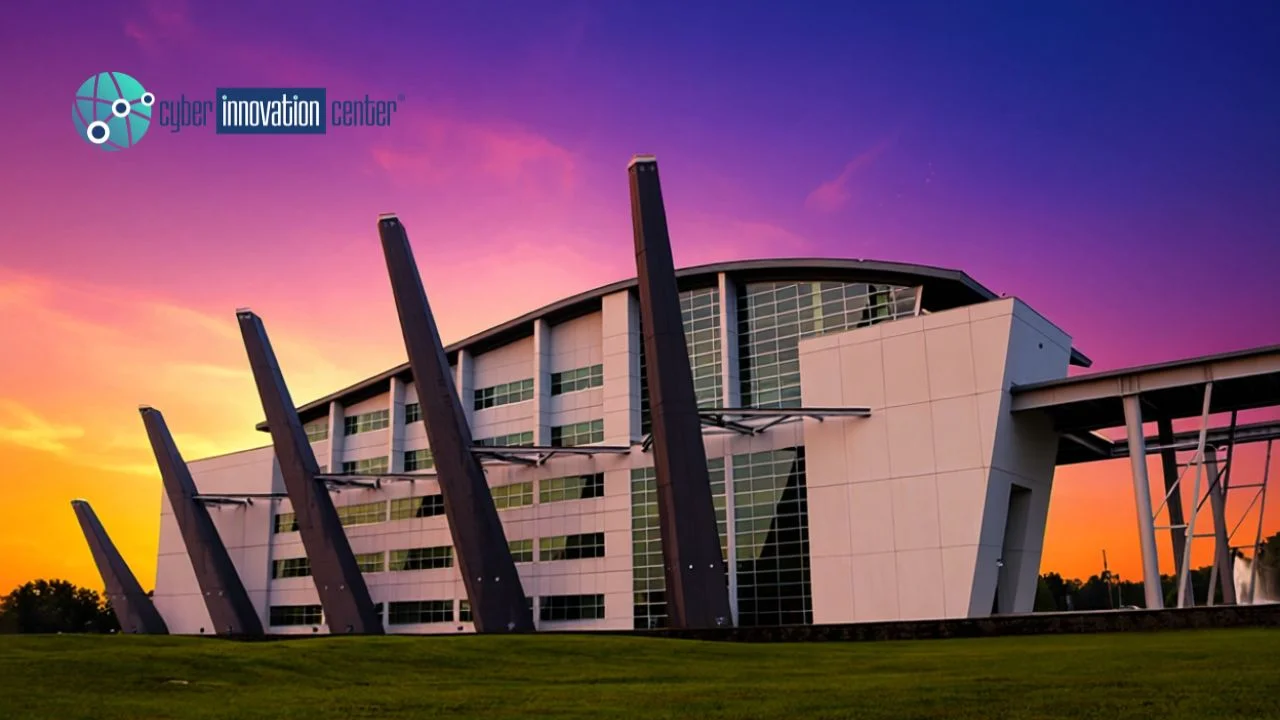
Cyber Innovation Center (CIC), located in Bossier City, Louisiana, is the anchor of the 3,000-acre National Cyber Research Park and serves as the catalyst for the development and expansion of a knowledge-based workforce throughout the region. As a 501c3 not-for-profit corporation, CIC fosters collaboration among its partners and accelerates technology, research, and development. One of its primary missions is to develop a sustainable knowledge-based workforce that can support the growing needs of government, industry, and academic partners. For more information, please visit www.cyberinnovationcenter.org.
ABOUT CYBER.ORG
The Cyber Innovation Center’s workforce and academic initiative, CYBER.ORG seeks to advance cybersecurity education through K–12, higher education, and workforce development. Supported in part through a cooperative agreement with the Cybersecurity and Infrastructure Security Agency (CISA), CYBER.ORG develops and delivers curriculum, resources, and educator training nationwide. With a focus on building foundational skills in cybersecurity, artificial intelligence, computer science, and other emerging technologies, CYBER.ORG has reached more than 45,000 teachers and 5.6 million students across all 50 states. By equipping educators and inspiring learners, CYBER.ORG strengthens America’s future workforce and advances national security. For more information, please visit http://www.cyber.org.