In a groundbreaking collaboration, Kioxia Corporation and Google LLC are spearheading a hydropower retrofit project in Japan’s Chubu region to increase renewable energy generation. This initiative supports Kioxia’s goal of achieving 100% renewable energy usage by 2040 and aids Google’s efforts to reduce scope 3 emissions. By revitalizing existing infrastructure, the project offers a scalable model for clean energy adoption, addressing regional decarbonization challenges while showcasing the power of cross-industry partnerships in advancing sustainability.
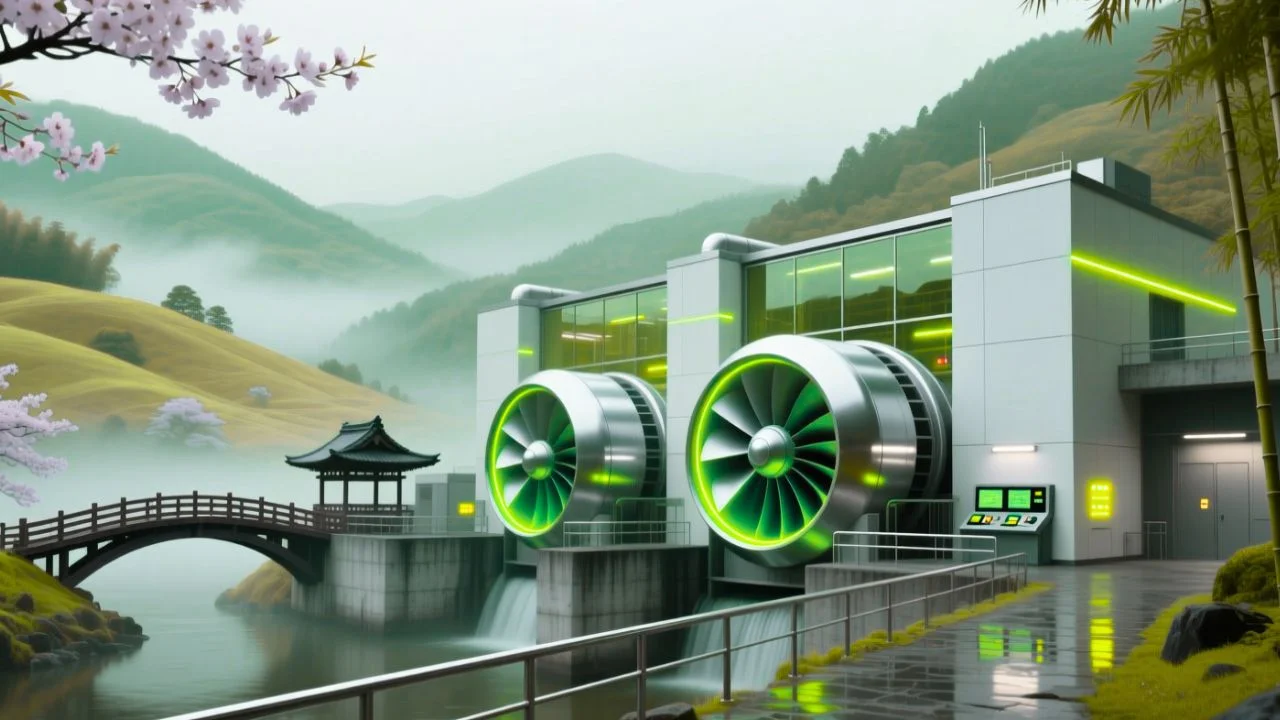
The global push toward decarbonization has gained significant momentum, with corporations increasingly prioritizing sustainable practices. In a landmark collaboration, Kioxia Corporation and Google LLC have announced a joint initiative aimed at bolstering the use of clean energy in Japan. This partnership leverages a hydropower retrofit project in the Chubu region, owned by the Chubu Electric Power group, to generate additional renewable electricity. The initiative not only supports both companies’ sustainability goals but also underscores the importance of innovative infrastructure upgrades in combating climate change.
At the heart of this collaboration is Kioxia’s commitment to sourcing 100% renewable energy for its operations by fiscal year (FY) 2040 and achieving net-zero greenhouse gas emissions by FY2050. To advance these ambitious targets, Kioxia has begun procuring electricity from the retrofitted hydropower facility, which is projected to produce 160 gigawatt-hours (GWh) annually. This output is sufficient to power approximately 40,000 Japanese households, marking a significant contribution to the country’s renewable energy capacity.
For Google, the partnership aligns with its broader mission to achieve net-zero emissions across its operations and supply chain. By participating in this initiative, Google can reduce its scope 3 emissions—indirect emissions associated with its value chain—while supporting its manufacturing partners in adopting cleaner energy sources. This collaborative effort demonstrates how large enterprises can work together to address shared environmental challenges.
Hydropower remains one of the most reliable and efficient forms of renewable energy. Unlike solar or wind, it provides consistent, “round-the-clock” power generation, making it an ideal solution for regions like Japan, where energy demand is high and geographical constraints limit the deployment of other renewables. However, what sets this project apart is its focus on retrofitting existing infrastructure rather than constructing new facilities.
By upgrading aging hydropower units, the project enhances efficiency and increases power output without the environmental disruption typically associated with new developments. This approach not only minimizes ecological impact but also offers a cost-effective way to expand renewable energy capacity. For Kioxia, this means a more sustainable power source for its operations in a region that faces significant decarbonization hurdles due to limited renewable resources.
Japan’s energy landscape presents unique challenges. While the country has made strides in adopting renewable energy, its reliance on imported fossil fuels and limited land availability for large-scale solar or wind farms have hindered progress. The Chubu region, home to Kioxia’s key operations, exemplifies these difficulties. With a dense population and industrial activity concentrated in urban areas, transitioning to clean energy requires creative solutions.
This hydropower retrofit project addresses these challenges head-on. By revitalizing underutilized assets, it creates a scalable model for other regions facing similar constraints. Moreover, the collaboration between Kioxia and Google highlights the potential for cross-industry partnerships to drive innovation in sustainability. Such initiatives are critical as Japan strives to meet its national target of achieving carbon neutrality by 2050.
Google’s involvement in this project goes beyond financial support. As part of its broader efforts to promote clean energy adoption, the tech giant has been actively working to connect manufacturers with affordable renewable energy options in Japan. By facilitating access to cost-efficient clean electricity, Google is helping to lower barriers for businesses seeking to transition to sustainable practices.
This initiative reflects Google’s leadership in corporate sustainability. Over the years, the company has invested heavily in renewable energy projects worldwide, including wind and solar farms. Its focus on enabling partners like Kioxia to adopt clean energy underscores the importance of collective action in addressing global climate goals.
The Kioxia-Google partnership holds broader implications for the technology sector. As data centers and manufacturing facilities become increasingly energy-intensive, companies must find ways to reduce their carbon footprint. Collaborative efforts like this one demonstrate how leveraging existing infrastructure can provide practical solutions for scaling renewable energy adoption.
Furthermore, the initiative serves as a blueprint for other industries grappling with similar challenges. By prioritizing efficiency improvements and renewable energy integration, businesses can simultaneously enhance operational resilience and contribute to global sustainability efforts. This dual benefit makes such collaborations particularly appealing in today’s rapidly evolving business environment.
About Kioxia
Kioxia is a world leader in memory solutions, dedicated to the development, production and sale of flash memory and solid-state drives (SSDs). In April 2017, its predecessor Toshiba Memory was spun off from Toshiba Corporation, the company that invented NAND flash memory in 1987. Kioxia is committed to uplifting the world with “memory” by offering products, services and systems that create choice for customers and memory-based value for society. Kioxia’s innovative 3D flash memory technology, BiCS FLASH™, is shaping the future of storage in high-density applications, including advanced smartphones, PCs, automotive systems, data centers and generative AI systems.