The enterprise technology landscape is rapidly shifting from isolated software deployments toward unified, AI-driven ecosystems that require sophisticated orchestration. Recognizing this pivotal transition, Celigo has named Bring IT its 2026 Partner of the Year, validating the consultancy’s status as a global leader in cloud ERP consulting and implementation. This distinction highlights the critical role of integration platform-as-a-service (iPaaS) solutions in transforming fragile business workflows into resilient, unified automation architectures built specifically for the AI era.
Selection for this accolade was driven by consistent performance across delivery excellence, deep platform expertise, and measurable industry impact. Bring IT specifically demonstrated a superior capacity to execute complex, cloud ERP-centric integrations while supporting customers at scale across multiple global regions. By bridging the gap between commercial objectives and technical execution, the firm has established a benchmark for how service providers should navigate the complexities of modern digital infrastructure.
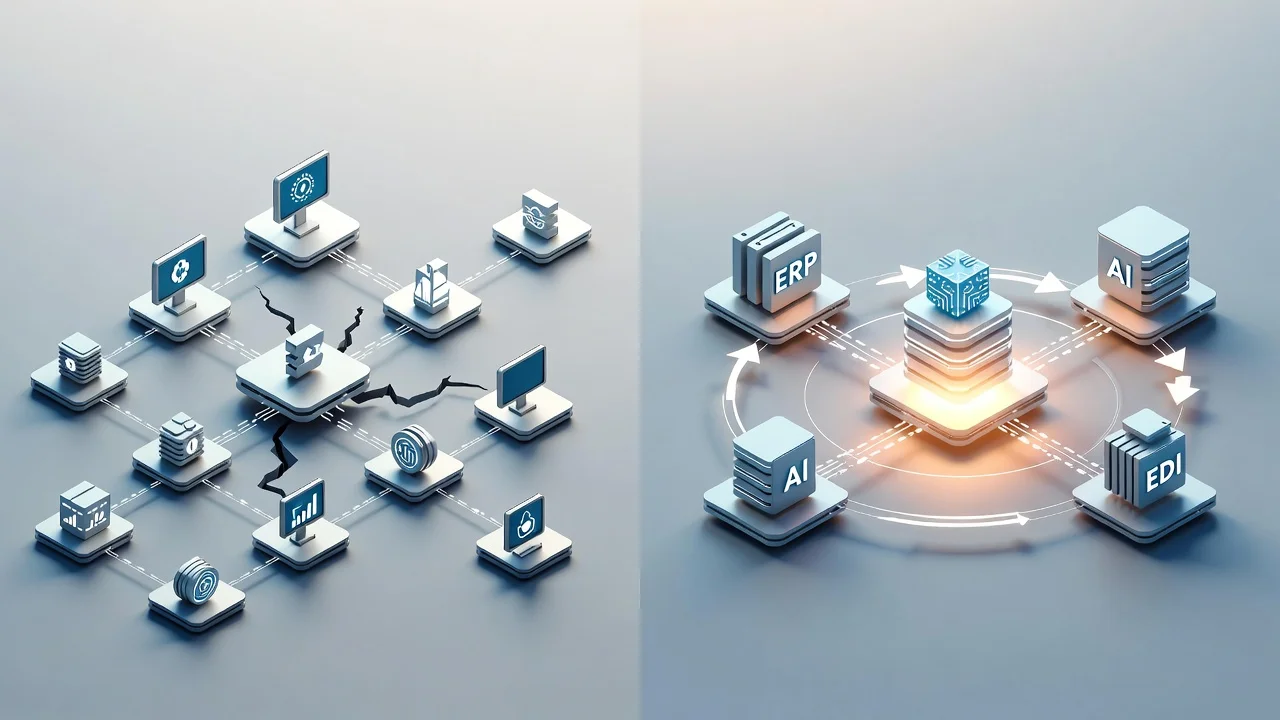
In the current digital economy, organizations often struggle with disparate systems that create data silos and operational friction. Without a cohesive integration strategy, businesses rely on fragile workflows that break under pressure, hindering their ability to adapt to rapid market changes. This fragmentation forces enterprises to expend valuable resources on manual workarounds rather than innovation, severely limiting their potential for sustainable growth and efficiency. As the volume of enterprise data grows, the cost of these inefficiencies multiplies, threatening the stability of core business functions.
Is your organization treating integration as a mere tactical utility rather than a core strategic asset? Treating integration as a series of isolated, reactive projects fails to address the holistic and evolving needs of a growing enterprise. Rico Andrade, General Commercial Manager at Celigo, noted that Bring IT differentiated itself specifically because the firm moved beyond project-based work into long-term automation programs. This strategic pivot is essential, as ad-hoc connections simply cannot support the weight of global operations or the rigorous demands of emerging AI technologies. In an environment where Celigo saw a record number of partners, distinction requires a fundamental shift in how automation is conceived and delivered.

The sustainable path forward lies in establishing a dedicated, scalable iPaaS practice that strictly aligns technical capabilities with broader business goals. Much like a central nervous system coordinating distinct muscle groups for fluid movement, a robust integration framework ensures that EDI, API management, and AI initiatives function in perfect concert. Bring IT differentiated itself by expanding across these critical technical domains, effectively enabling customers to confidently scale their operations globally. Rodolfo Santana, Celigo Integrations Leader at Bring IT, emphasizes that this rigorously customer-first approach creates real, measurable value by consistently going beyond standard expectations. By prioritizing high-quality integrations and maintaining strong alignment across commercial and services teams, organizations can successfully simplify complexity and achieve the operational visibility required for the future.
Looking ahead, the convergence of ERP systems and AI-first digital transformation offerings will define the next generation of enterprise efficiency. As organizations seek to simplify complexity, the partnership between strategic consultants and iPaaS providers will become increasingly vital. This collaboration paves the way for businesses to leverage automation not just for maintenance, but as a primary driver of scalable innovation in the AI era.
About Bring IT
Bring IT is a global team of Cloud ERP implementation, configuration, and integration experts. We deliver people-powered transformation and technology solutions that help companies of all sizes achieve 360° success. Recognized on the Inc. 5000 list for consecutive years, Bring IT is a strategic partner of Oracle NetSuite, Domo, Celigo, Avalara, and others.
About Celigo
Celigo puts intelligent automation in the hands of every team, unifying workflows from the predictable to the fully agentic in a single platform. The platform is recognized by G2 as #1 in iPaaS and a Leader in API Management, API Marketplace, and EDI, and is the only vendor named a 2025 Gartner® Peer InsightsTM Customers’ Choice. Learn more at: celigo.com
To learn more about Celigo’s 2026 Partner Award Winners, visit celigo.com/blog/2026-partner-award-winners/