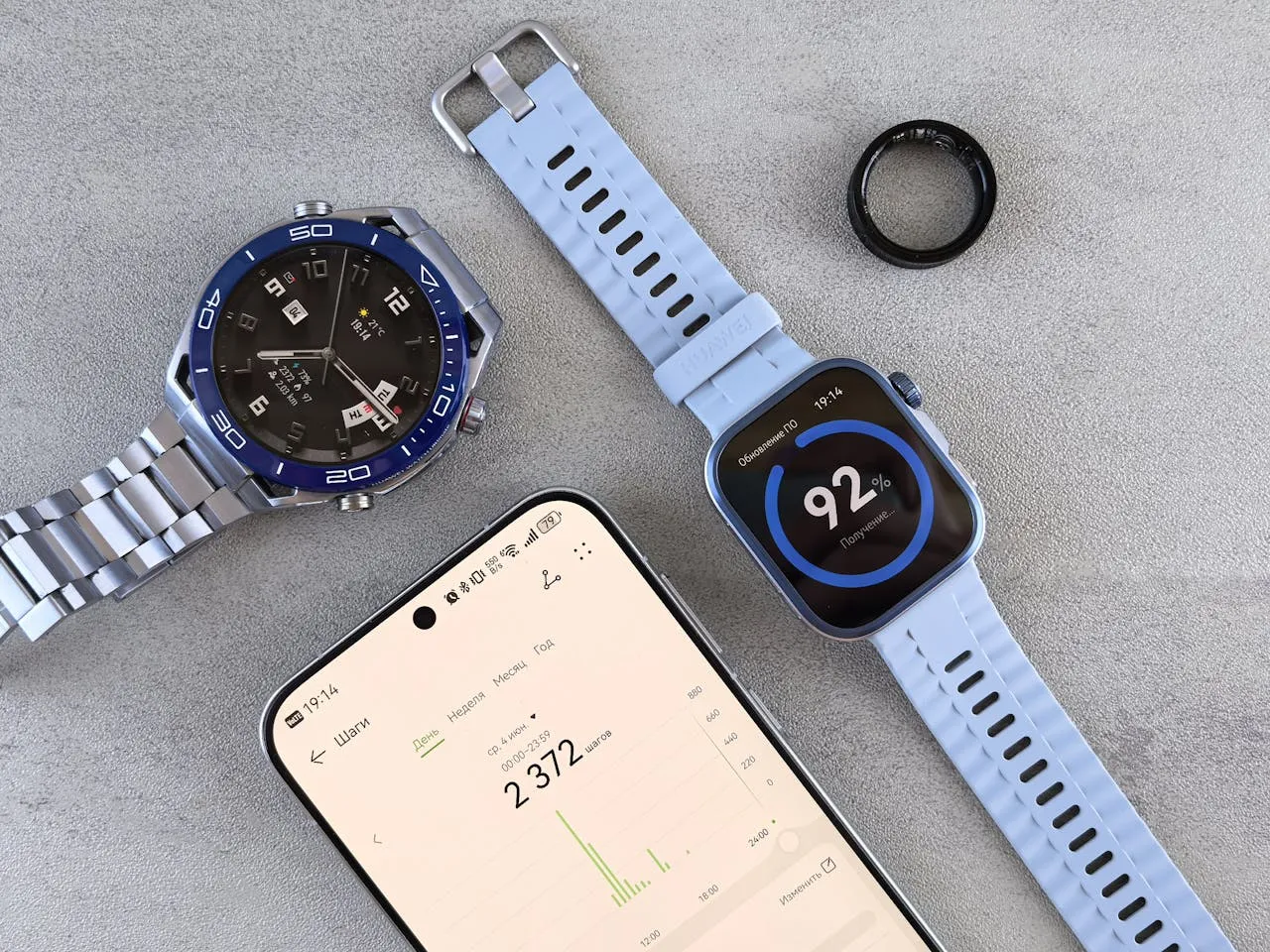
The global wearable performance market is entering a critical phase of evolution, marked by a clear divergence in how devices assess human performance and readiness. On one side are established wearables that rely on indirect indicators such as heart rate variability, sleep quality, and aggregated readiness scores. On the other side is an emerging class of technologies focused on directly measuring physiological activity at the muscle level—offering a far more precise and actionable understanding of performance. Increasingly, industry momentum is shifting toward this second category, signaling a fundamental transformation in how athletes, clinicians, and consumers interpret biometric data.
At the center of this shift is NNOXX, a company that has spent years developing a platform centered on direct muscle physiology. Long before recent moves by major wearable manufacturers, NNOXX identified the limitations of indirect metrics and invested in building a system capable of measuring what is actually happening inside working muscles in real time. Today, as larger players begin to validate this approach through patents and trademarks, NNOXX finds itself uniquely positioned with a fully developed, integrated, and market-ready solution.
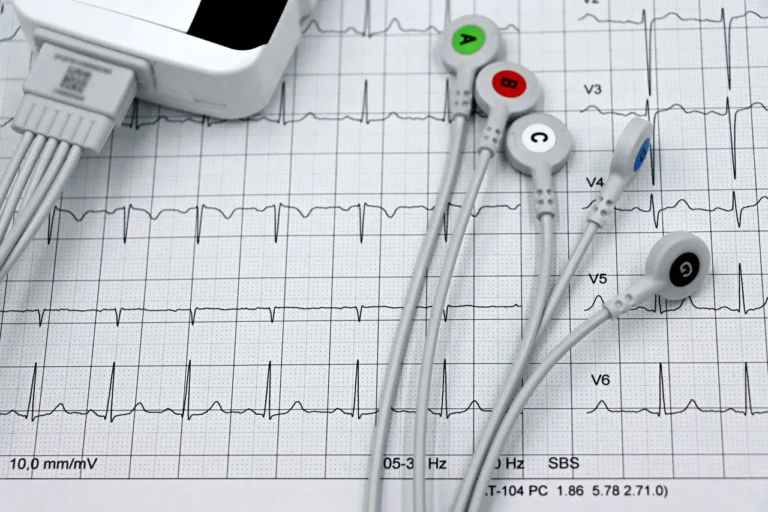
Traditional wearable devices have largely focused on proxy indicators of performance. Metrics such as heart rate, sleep cycles, and recovery scores provide useful insights, but they remain inferential in nature. They estimate readiness rather than measure it directly. While these indicators can be valuable for general wellness and trend tracking, they often fail to capture localized physiological changes that occur during physical exertion—particularly within specific muscle groups.
In contrast, muscle-level measurement represents a paradigm shift. By directly assessing oxygen utilization and blood flow within muscle tissue, these technologies provide a granular view of performance, fatigue, and recovery. This level of precision has long been available in laboratory settings, but only recently has it begun to transition into consumer-grade wearable devices.
NNOXX’s platform is built around near-infrared spectroscopy (NIRS), a technology that enables non-invasive measurement of muscle oxygen saturation (SmO₂) and related biomarkers. Unlike traditional wearables, which rely on generalized signals, NIRS penetrates tissue to capture real-time data about oxygen delivery and consumption within muscles. This allows users to understand not just how their body is performing overall, but how specific muscles are responding to stress and exertion.
What sets NNOXX apart is not just its use of NIRS, but the comprehensiveness of its platform. The company has developed a full-stack solution that integrates hardware, firmware, advanced signal processing algorithms, and an AI-powered coaching system. This ecosystem transforms raw physiological data into actionable insights, enabling users to optimize training, prevent injury, and improve overall performance.
A particularly notable differentiator is NNOXX’s ability to measure bioactive nitric oxide, a key signaling molecule involved in vascular function and blood flow regulation. This capability extends the platform’s utility beyond basic oxygenation metrics, offering deeper insights into circulatory efficiency and exercise performance. To date, this remains a unique feature in the consumer wearable space.
Recent developments across the industry have reinforced the importance of NNOXX’s approach. Reports indicate that major wearable manufacturers are actively exploring muscle oxygenation measurement through intellectual property filings. For example, one leading company has reportedly filed a trademark for a “Muscle Battery” concept, describing software algorithms designed to capture and analyze muscle oxygen saturation. However, such capabilities would require specialized NIRS hardware—something that has yet to be integrated into mainstream wearable devices.
In a separate development, another major player has secured a patent for a multi-position body sensor system capable of measuring metrics such as SmO₂, hemoglobin levels, tissue perfusion, and blood flow across various parts of the body. While these filings demonstrate clear intent, they remain conceptual and do not represent commercially available products. This highlights a critical gap between aspiration and execution—one that NNOXX has already bridged.
The company’s flagship device, NNOXX One, has undergone peer-reviewed validation at the Martinos Center for Biomedical Imaging, affiliated with leading institutions such as Harvard Medical School and the Massachusetts Institute of Technology. This validation against lab-grade frequency-domain NIRS systems underscores the accuracy and reliability of NNOXX’s technology, positioning it as a credible alternative to clinical-grade equipment.
In addition to its technological achievements, NNOXX has built a robust intellectual property portfolio. The company holds an allowed U.S. optical patent, along with a growing number of international filings covering various aspects of muscle oxygenation measurement, spectrometry systems, and exercise guidance methodologies. Beyond formal patents, NNOXX has accumulated significant proprietary knowledge in areas such as optical design, calibration techniques, and physiological modeling—elements that are difficult to replicate without years of focused research and development.
This combination of validated technology, intellectual property, and operational expertise creates a substantial barrier to entry for competitors. Even well-funded organizations with large engineering teams would face considerable challenges in replicating NNOXX’s capabilities. Developing accurate NIRS-based wearable devices requires not only advanced hardware but also sophisticated algorithms capable of extracting meaningful signals from complex biological environments. Achieving this level of integration and reliability typically involves years of iterative development.
The broader market context further amplifies the significance of NNOXX’s position. As demand for more precise and actionable health and performance data continues to grow, wearable technology companies are under increasing pressure to move beyond basic metrics. Consumers are becoming more sophisticated in their expectations, seeking insights that can directly inform training decisions, recovery strategies, and overall health management.
At the same time, no major smartwatch manufacturer has yet introduced native muscle-specific NIRS hardware into its product lineup. This creates a unique window of opportunity for companies that can deliver such capabilities at scale. The category is still in its formative stages, and the first movers with robust, defensible solutions are likely to establish a lasting competitive advantage.
Justin Saul, CEO of NNOXX, has emphasized that the industry’s recent moves validate a vision the company has held for years. According to Saul, the shift toward direct muscle physiology is not a speculative trend but an inevitable evolution driven by the need for more accurate and meaningful data. He argues that NNOXX’s platform provides the fastest and most defensible path for partners looking to lead this emerging category.
To capitalize on this opportunity, NNOXX is actively engaging in discussions with potential strategic partners, including companies exploring partnerships, investments, or acquisition scenarios. Such collaborations could accelerate the adoption of muscle-level measurement technologies and expand their reach across multiple markets.
The potential applications of NNOXX’s platform extend far beyond athletic performance. In rehabilitation settings, muscle oxygenation data can help clinicians monitor recovery and tailor treatment plans. In military contexts, it can support readiness assessment and performance optimization. In clinical fitness and medical monitoring, it offers a new dimension of insight into patient health and physiological function.
For decision-makers in sectors such as wearable technology, connected fitness, digital health, and rehabilitation, the implications are clear. The industry is moving toward a new standard where direct physiological measurement becomes the norm rather than the exception. The key question is not whether this transition will occur, but who will control the underlying measurement layer when it does.
In this context, partnering with or acquiring NNOXX represents a strategic opportunity to gain a foothold in a high-value segment of the market. By offering a premium measurement capability that is currently unmatched by competitors, NNOXX provides a pathway to differentiation in an increasingly crowded landscape.
As the wearable technology market continues to evolve, the race to deliver accurate, real-time muscle-level insights is intensifying. The window of opportunity for establishing leadership in this space remains open—but it is narrowing rapidly. Companies that act decisively stand to shape the future of performance measurement, while those that hesitate risk falling behind in a category poised for significant growth and innovation.
Source link: https://www.businesswire.com