Generative AI is transforming the computing landscape, enabling new ways to build, train, and optimize AI models directly on PCs and workstations. From content creation and language model development to software engineering, AI-powered systems are reshaping workflows and boosting productivity. At NVIDIA GTC 2025, experts from across the AI ecosystem will share groundbreaking insights into deploying AI locally, optimizing models, and leveraging cutting-edge hardware and software to enhance AI workloads. The event, held from March 17–21 at the San Jose Convention Center, will spotlight advancements in RTX AI PCs and workstations, showcasing their pivotal role in driving innovation.
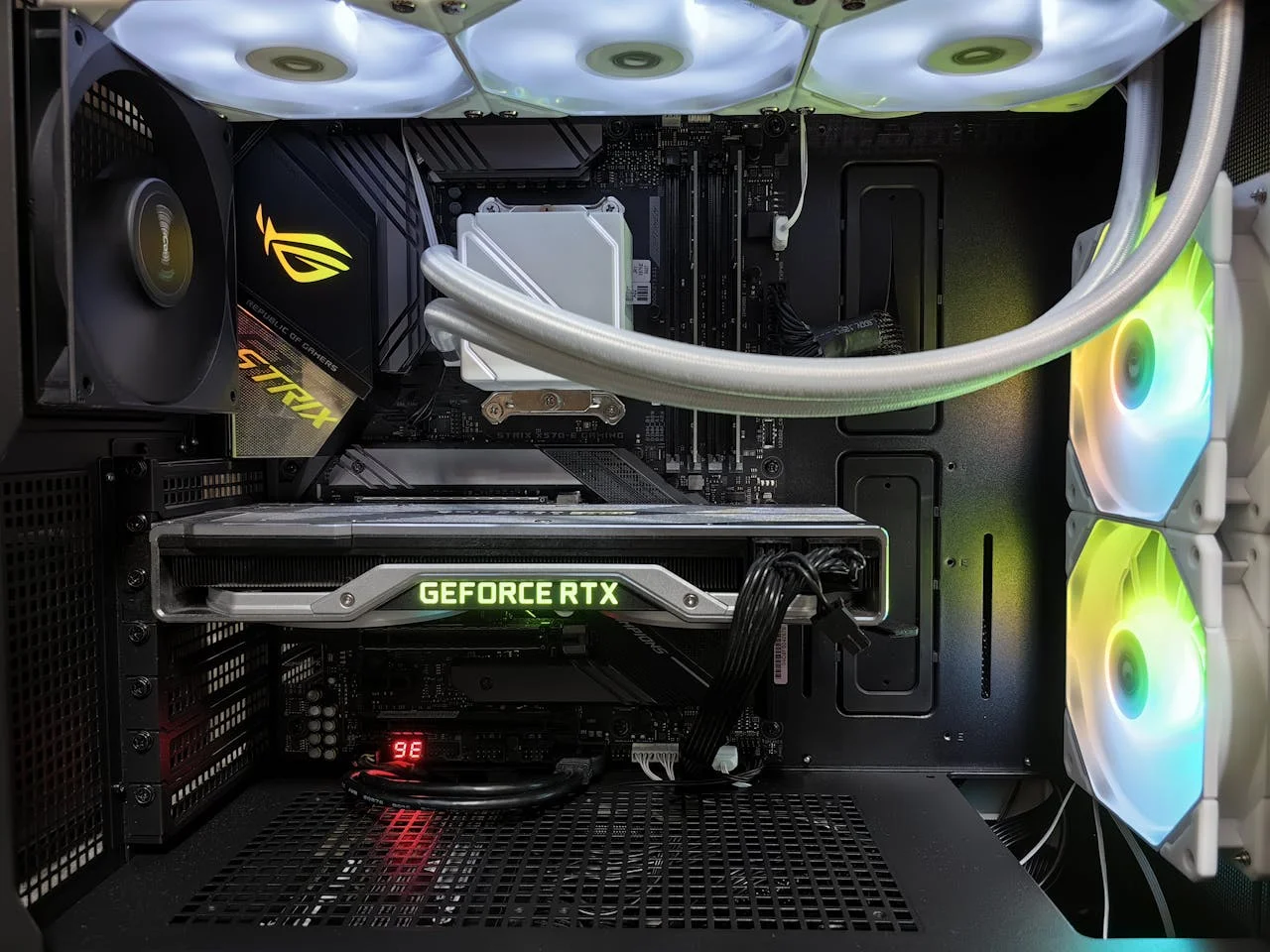
At the heart of NVIDIA’s RTX GPUs lies specialized AI hardware called Tensor Cores, which deliver the compute performance required to run the latest and most demanding AI models. These high-performance GPUs empower developers to create digital humans, chatbots, AI-generated podcasts, and more with remarkable speed and efficiency.
With over 100 million GeForce RTX and NVIDIA RTX GPU users worldwide, developers have a vast audience for deploying new AI applications and features. In the session “Build Digital Humans, Chatbots, and AI-Generated Podcasts for RTX PCs and Workstations,” Annamalai Chockalingam, senior product manager at NVIDIA, will demonstrate the end-to-end suite of tools available to streamline development and deploy lightning-fast AI-enabled applications. Attendees will learn how to harness these tools to unlock new possibilities in generative AI.
Large language models (LLMs) are versatile and capable of handling complex tasks such as writing code or translating languages like Japanese into Greek. However, their broad training often makes them less suited for specific use cases, such as generating dialog for nonplayer characters in video games. In contrast, small language models (SLMs) strike a balance between capability and size, maintaining accuracy while running efficiently on local devices.
In the session “Watch Your Language: Create Small Language Models That Run On-Device,” Oluwatobi Olabiyi, senior engineering manager at NVIDIA, will present tools and techniques for generating, curating, and distilling datasets to train SLMs tailored to specific tasks. Developers and enthusiasts will gain practical insights into creating lightweight models that perform optimally on local hardware, ensuring faster inference and reduced resource consumption.
Optimizing AI inference and model execution on Windows-based workstations requires strategic tuning due to the diversity of hardware configurations and software environments. The session “Optimizing AI Workloads on Windows Workstations: Strategies and Best Practices” will delve into techniques for enhancing AI performance, including:
A team of NVIDIA software engineers will guide attendees through these best practices, empowering developers to achieve peak performance on Windows workstations.
Building, testing, and deploying AI models on local infrastructure ensures security, control, and performance—especially in environments without cloud connectivity. Accelerated by NVIDIA RTX GPUs, solutions like Dell Pro Max AI and Z by HP provide powerful tools for on-premises AI development, enabling professionals to maintain complete control over data and intellectual property while optimizing performance.
Key sessions include:
These sessions highlight how local AI development can drive innovation while safeguarding sensitive information.
Developers and enthusiasts can kickstart AI development on RTX AI PCs and workstations using NVIDIA NIM microservices, now available in public beta. This initial release includes:
NIM microservices are prepackaged, optimized models spanning modalities critical for PC development. They are easy to download and integrate via industry-standard APIs, making it simple for developers to incorporate advanced AI capabilities into their projects.
The convergence of RTX GPUs, advanced software tools, and robust ecosystems is redefining what’s possible in AI development. Whether you’re building digital humans, fine-tuning small language models, or optimizing AI workloads on Windows, RTX AI PCs and workstations provide the performance, flexibility, and scalability needed to succeed.
At NVIDIA GTC 2025, attendees will gain hands-on knowledge and actionable insights into deploying AI locally, optimizing models, and leveraging cutting-edge hardware and software. These advancements are not just enhancing productivity—they’re paving the way for a future where AI is more accessible, efficient, and secure.