

How Christian Klein’s Bold AI Strategy Transformed SAP into Europe’s Most Valuable Company
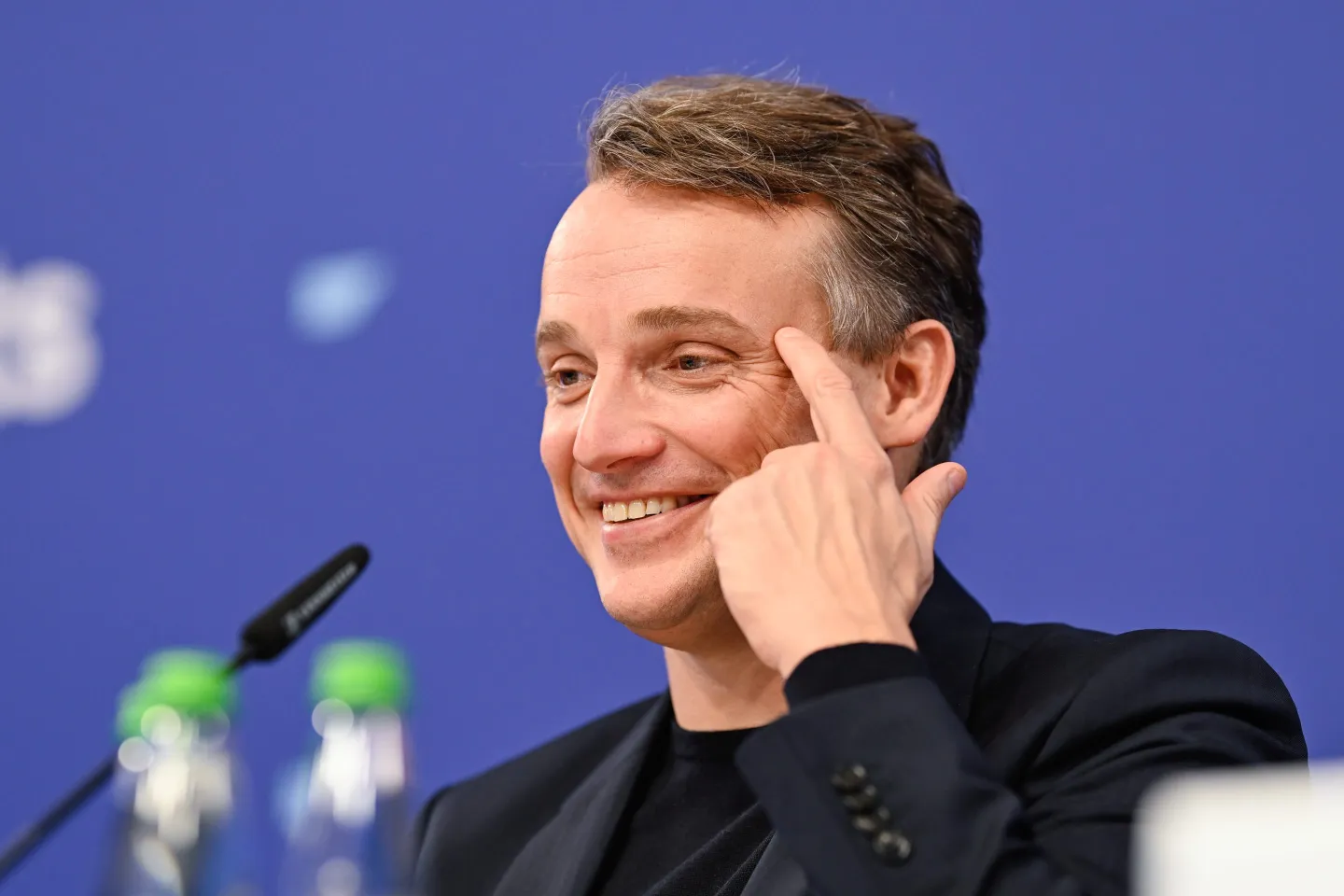
In April 2020, Christian Klein became SAP’s sole CEO at the age of 40, stepping into a leadership role during one of the most tumultuous periods in the company’s history. Just six months later, SAP’s shares plummeted by 30% after the German enterprise software giant withdrew its five-year financial guidance. The pandemic had exacerbated pressures on the business, as customers increasingly shifted away from on-premise software—a lucrative segment that had long been SAP’s stronghold—toward cloud-based solutions, threatening profit margins.
Fast forward to March 2023, and the narrative has changed dramatically. Under Klein’s leadership, SAP surpassed companies like Novo Nordisk, LVMH, and ASML to become Europe’s most valuable company, with a market capitalization of approximately $360 billion. While this figure remains just a fraction of Microsoft’s valuation, it underscores investors’ confidence in Klein’s vision: transforming SAP, a 53-year-old legacy tech company, into a leader in cloud computing and artificial intelligence (AI).
A Strategic Bet on AI
Klein’s success hinges on his early recognition of AI as both an existential threat and a transformative opportunity. “If we did not embed this new technology into our offerings for sales, marketing, finance, and other corporate functions, no one would buy our software anymore,” he says. Unlike his earlier push for cloud transformation in 2020, which faced resistance, Klein found that employees were quicker to embrace the potential of AI once they saw its capabilities. Embedding AI into SAP’s core offerings became “the right thing to do,” and Klein committed fully to making SAP a pioneer in business AI.
This decision marked a pivotal moment for SAP. Klein describes it as a classic innovator’s dilemma: disrupting the company’s traditional, highly profitable on-premise software business to compete in the emerging era of cloud and AI. One of the boldest moves was acknowledging publicly that SAP needed to part ways with €4 billion in profits temporarily to pivot toward sustainable growth. “It becomes tricky when you say goodbye to such significant earnings,” Klein admits. Hasso Plattner, SAP’s co-founder and then-chairman of the supervisory board, supported the decision despite initial disappointment, encouraging Klein to view the crisis as an opportunity.
The transition wasn’t easy. Developers, sales teams, consultants, and even customers resisted abandoning systems they had relied on for decades. To overcome this inertia, Klein emphasized over-communication, striving to turn skeptics into believers. “You need everyone almost entirely on board; otherwise, it won’t work,” he explains.
Navigating Leadership Challenges
Klein’s journey to sole CEO began with a rocky partnership. Appointed alongside Jennifer Morgan, SAP’s former head of cloud business, in October 2019, the dual-leadership structure quickly unraveled amid the pandemic. Geographic distance between Klein in Germany and Morgan in the U.S., coupled with differing views on product strategy, made swift decision-making difficult. By April 2020, Morgan exited, leaving Klein solely responsible for steering SAP through unprecedented challenges.
Since then, Klein has reshaped SAP’s executive team, bringing in diverse perspectives from insiders and outsiders alike. He stresses the importance of teamwork over individual egos, noting, “If everyone has their own ego, it won’t work.” This collaborative approach has helped SAP navigate turbulent times while fostering innovation.
From Intern to Visionary Leader
Klein often refers to himself as “a child of SAP,” having grown up near the company’s Walldorf headquarters and joined as a 15-year-old intern. His deep understanding of SAP’s culture, honed over decades of interactions with customers, partners, and employees, has proven invaluable during the transformation. “Honestly, I don’t believe I could have managed this without that knowledge,” he reflects.
Yet, Klein is mindful of avoiding insularity. He regularly steps out of his “ivory tower” to engage with clients grappling with IT budget constraints, students exploring quantum computing, and others shaping the future of technology. These interactions inspire his strategies, ensuring SAP remains relevant in a rapidly evolving landscape.
AI-Driven Growth and Workforce Evolution
SAP’s embrace of AI has yielded tangible results. Tools like Joule, its generative AI copilot, have become key drivers of new business wins. Klein predicts these innovations will boost user productivity by 30% within a year. However, the rise of AI also raises questions about its impact on employment. Last July, SAP announced restructuring plans that could affect up to 10,000 jobs due to “AI-driven efficiencies.”
While acknowledging that some roles may disappear, Klein believes new opportunities will emerge in areas like data science and research. He highlights SAP’s tradition of nurturing talent early, including PhD students, as a source of fresh ideas and technological insights.
Europe’s Tech Future: A Call for Focus
As head of Europe’s most valuable company, Klein is increasingly vocal about the continent’s role in global tech competition. He urges the EU to avoid excessive regulation, warning it stifers innovation at a critical time. Unlike some peers advocating for more European data centers, Klein argues that what truly matters is developing advanced software to enhance industries where Europe already excels.
Trade tensions add another layer of complexity. Uncertainty around U.S. tariffs has led some customers to delay IT investments, while others see SAP’s solutions as essential for optimizing supply chains amidst volatility. “If we enter a recession because tariffs persist, everyone will suffer,” Klein cautions.
Staying Humble Amid Success
Despite SAP’s remarkable turnaround, Klein remains grounded. Reflecting on the lessons of the past few years, he emphasizes humility and adaptability. “Don’t celebrate your success and think you can coast for the next decade,” he advises. “The world is changing.”
Christian Klein’s bold bet on AI has not only revitalized SAP but also positioned it as a beacon of innovation in Europe. As the company continues to navigate the complexities of digital transformation, Klein’s leadership serves as a testament to the power of foresight, resilience, and strategic reinvention.