In a landmark step forward for immersive entertainment, VIVERSE—the web-based content distribution platform developed by HTC—has officially announced the global premiere of Samurai’s Dream: The Ghosts of Osaka Castle. This groundbreaking experience introduces audiences to a new era of storytelling through Free Roam Virtual Reality (VR) and Location-Based Entertainment (LBE), transporting participants deep into Japan’s storied past.
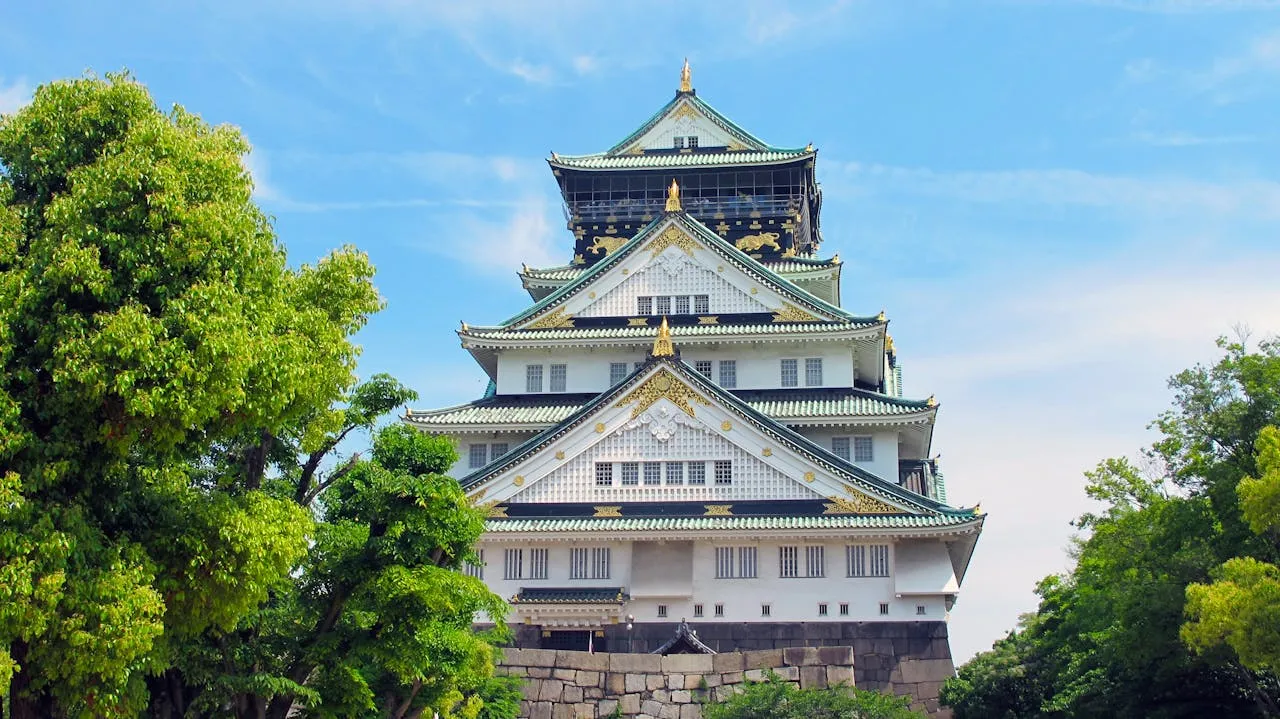
Set during the dramatic Sengoku period, the experience allows visitors to step inside a meticulously reconstructed version of Osaka Castle—one of Japan’s most iconic and historically significant landmarks. Long since altered by time and conflict, the castle is reborn in vivid detail through cutting-edge VR technology, offering an unprecedented opportunity to explore a lost world.
The launch of Samurai’s Dream is more than just a technological achievement—it represents a significant milestone in international collaboration. The project brings together some of Japan’s most respected institutions, including NHK, NHK Promotions, and NTT DOCOMO Studio & Live, alongside VIVERSE.
This marks the first time these entities have partnered on an international co-production of this scale, blending expertise in broadcasting, live entertainment infrastructure, and immersive technology. At its core, the collaboration reflects a shared ambition: to preserve and celebrate Japan’s cultural heritage while making it accessible to global audiences through innovative storytelling formats.
Joseph Lin, General Manager of VIVERSE, emphasized the transformative potential of this approach. He highlighted that the future of entertainment lies beyond traditional screens, evolving into physical spaces where audiences can actively participate in narratives. According to Lin, the goal is to make immersive, location-based experiences as scalable and accessible as streaming platforms, effectively redefining how stories are consumed and shared.
At the heart of the experience is a powerful re-creation of the Sengoku era, a period marked by political upheaval, military conflict, and the rise of legendary samurai leaders. Visitors are transported back to the height of Toyotomi Hideyoshi’s rule, when Osaka Castle stood as a symbol of power, ambition, and cultural sophistication.
Participants are not merely observers—they become active explorers within the environment. As they move freely through expansive virtual spaces, they encounter richly detailed interiors, grand ceremonial halls, and sprawling battlefields. The experience also features lifelike representations of samurai armor, historically inspired architecture, and even wildlife that once inhabited the region.
What sets this production apart is its commitment to authenticity. More than 90% of the visual and environmental assets are derived from decades of historical research conducted by NHK. These assets, originally developed for high-quality television productions such as historical documentaries and Taiga dramas, have been meticulously adapted for use in real-time VR environments.
This ensures that every visual element—from the textures of castle walls to the design of ceremonial artifacts—is grounded in academic rigor and cultural accuracy.
Beyond its technical achievements, Samurai’s Dream distinguishes itself through its artistic vision. The experience draws heavily from the Japanese aesthetic concept of Yūgen, which emphasizes subtlety, mystery, and the beauty of the unseen.
Rather than presenting history in a purely literal or documentary style, the experience invites participants to engage with it emotionally and intuitively. Visitors are guided through the environment by a glowing blue flame—a symbolic element that leads them across shifting landscapes and fragmented memories.
As they progress, they encounter floating scaffolds, golden tea rooms, and vast open battlefields, each layered with symbolic meaning. Shadows shift, objects move, and scenes transform, revealing the ambitions, struggles, and losses that defined the samurai era.
This approach transforms the experience into more than a historical reconstruction—it becomes a poetic interpretation of the past, blending fact with atmosphere to create a deeply immersive narrative.
The seamless integration of advanced technologies is what makes this ambitious project possible. The experience is powered by HTC’s comprehensive XR ecosystem, combining hardware and software solutions to deliver a fully immersive, multi-user environment.
Central to this system is VIVERSE’s Group Experience Management (GEM) platform. GEM enables multiple participants to share the same virtual space simultaneously, allowing them to move freely within a large physical venue while remaining synchronized within the digital environment.
This transforms VR from a solitary activity into a collective experience. Participants can see, interact with, and explore alongside one another, creating a shared sense of presence that enhances immersion.
Complementing this system are HTC VIVE’s high-fidelity VR head-mounted displays, which provide the visual clarity and responsiveness required for such a complex environment. Together, these technologies enable what the creators describe as “Free-Roaming Shared Reality”—a new paradigm in immersive entertainment.
Meanwhile, NHK played a critical role in adapting its cinematic assets for real-time performance. Originally designed with extremely high polygon counts and detailed lighting models, these assets were optimized to run smoothly within VR while retaining their cinematic quality.
The result is a seamless blend of film-grade visuals and interactive technology, allowing participants to experience history with unprecedented realism.
Samurai’s Dream represents a significant evolution in Location-Based Entertainment (LBE), a rapidly growing sector that combines physical venues with digital experiences. Unlike traditional VR setups confined to small spaces, this free-roam format allows participants to physically walk through large environments, enhancing realism and engagement.
By integrating storytelling, historical research, and cutting-edge technology, the experience establishes a new benchmark for what LBE can achieve. It demonstrates how cultural institutions, broadcasters, and technology companies can collaborate to create experiences that are both educational and entertaining.
Importantly, the project also serves as a scalable model for future productions. By leveraging standardized platforms like VIVERSE, similar experiences could be replicated in venues around the world, bringing localized cultural stories to global audiences.
The experience made its official debut in Tokyo on March 20, 2026, marking the beginning of what is expected to be a broader rollout across Japan and international markets. Plans are already underway to expand the experience to additional locations, allowing audiences worldwide to step into Japan’s history in a way that was previously unimaginable.
As the entertainment industry continues to evolve, projects like Samurai’s Dream highlight the growing importance of immersive technologies in shaping the future of storytelling. By combining historical authenticity, artistic expression, and technological innovation, the creators have opened the door to a new form of narrative experience—one that is not watched, but lived.
With the launch of Samurai’s Dream: The Ghosts of Osaka Castle, VIVERSE and its partners have set a new standard for immersive entertainment. The project demonstrates how advanced XR technologies can be used not only to entertain but also to preserve and reinterpret cultural heritage.
By transforming a historic landmark into a living, interactive environment, the experience redefines the relationship between audiences and history. It offers a glimpse into a future where storytelling transcends screens, becoming a shared, physical, and deeply personal journey.
As this model continues to evolve, it is likely to influence a wide range of industries—from education and tourism to media and live entertainment—ushering in a new era of experiential content that bridges the gap between the past and the present.
Source link: https://www.businesswire.com